
Safe Water For Her - SWFH
Project Theme: Empowering Rural Girls through Access to Clean Water
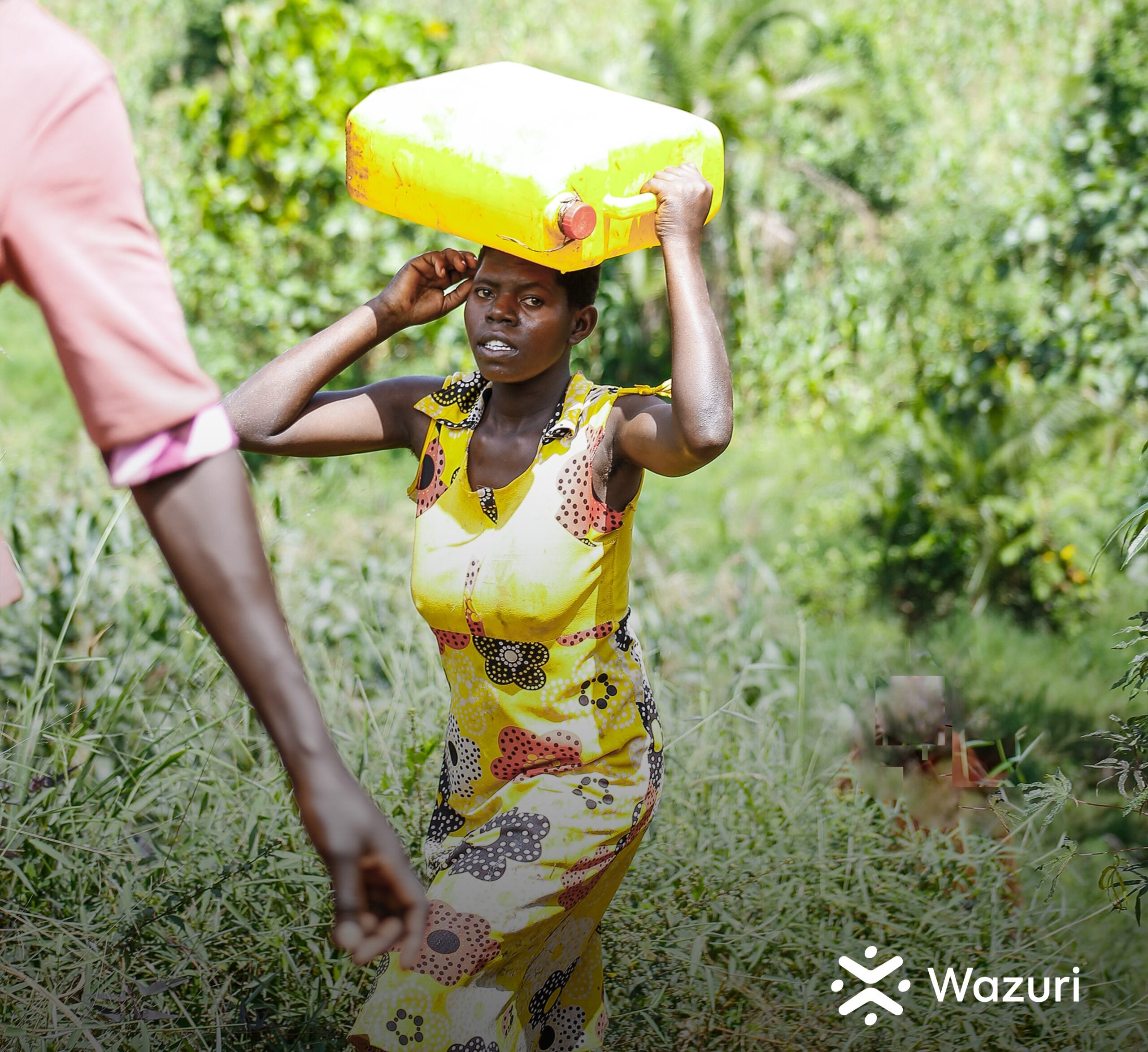
The SWFH is a WASH project aiming to provide access to safe water in the rural communities with Wazuri programs to facilitate rural girls’ education. By addressing the water-related challenges faced by the community, this project aims to remove barriers that hinder girls from attending school regularly. Through the implementation of sustainable water solutions, education and awareness programs, and community engagement, SWFH project seeks to empower girls and improve their educational opportunities.
Project Objectives
- Install Sustainable Water Infrastructure: Implement a reliable and sustainable water system, such as wells, boreholes, or water purification systems, to provide safe and accessible water to the community and schools.
- Promote Hygiene and Sanitation: Conduct hygiene and sanitation awareness campaigns to educate community members, particularly girls, on proper hygiene practices, menstrual health management, and the importance of clean water for overall well-being.
- Reduce Water-related Diseases: Minimize waterborne diseases through the provision of safe water sources, improved sanitation facilities, and the promotion of hygienic practices.
- Enhance School Attendance: Increase girls’ school attendance rates by ensuring the availability of clean water and proper sanitation facilities in schools, eliminating the need for girls to fetch water during school hours.
- Empower the Community: Foster community ownership and sustainability by involving community members, including parents, teachers, and local leaders, in decision-making processes, capacity-building initiatives, and ongoing maintenance of water infrastructure.
Implementation Plan:
- Community Assessment: Conduct a thorough assessment of the community’s water needs, existing infrastructure, and challenges faced by girls in accessing education due to water scarcity.
- Water Infrastructure Development: Install sustainable water sources, such as wells or boreholes, with appropriate water treatment systems to ensure safe and accessible water for the community and schools.
- Sanitation Facilities Improvement: Upgrade or construct gender-segregated and girl-friendly sanitation facilities in schools, including adequate toilets, handwashing stations, and private spaces for menstrual hygiene management.
- Hygiene Education: Conduct workshops and awareness campaigns on proper hygiene practices, menstrual health, and the importance of clean water for health and education.
- School Engagement: Collaborate with schools to integrate water, sanitation, and hygiene (WASH) education into the curriculum, establish student-led WASH clubs, and organize events promoting hygiene practices and clean water.
- Monitoring and Evaluation: Regularly assess the impact of the project by monitoring attendance rates, improvements in health indicators, and the sustainability of water infrastructure. Make necessary adjustments based on feedback and evaluation results.
Partnerships and Resources:
- Local Authorities and Community Leaders: Collaborate with local government bodies, community leaders, and schools to gain support, secure resources, and ensure project sustainability.
- NGOs and Donors: Seek partnerships and funding from NGOs, foundations, and organizations working in the field of water, education, and rural development.
- Volunteers and Experts: Engage volunteers and experts in water management, education, and hygiene promotion to provide technical assistance, training, and capacity-building support.
Expected Outcomes:
- Increased school attendance rates, particularly among girls, due to improved access to safe water and sanitation facilities.
- Reduced waterborne diseases and improved overall health and well-being in the community.
- Empowered girls with knowledge about hygiene practices, menstrual health management, and the importance of education.
- Enhanced community engagement, ownership, and sustainability of water infrastructure and hygiene practices.
- Long-term positive impact on the community’s socio-economic development through improved education and health outcomes.
Donate to the Project
Make a donation in support of Safe Water For her project for girls in rural areas. Your generous donation will make a significant impact to the lives and education of these girls.

Wazuri is a nonprofit organization that advocates for and promotes equal access to quality
education for children, young girls, and women in rural areas.
Quick Contact.
- 108161 Kampala, Uganda
- info@wazuri.org
- +256 773747363
Quick Link.
- About Us
- Get Involved
- Donate
Copyright 2023 © Wazuri