
Happy Kids Kindergaten
Project Theme: Building a Bright Future for Rural Children
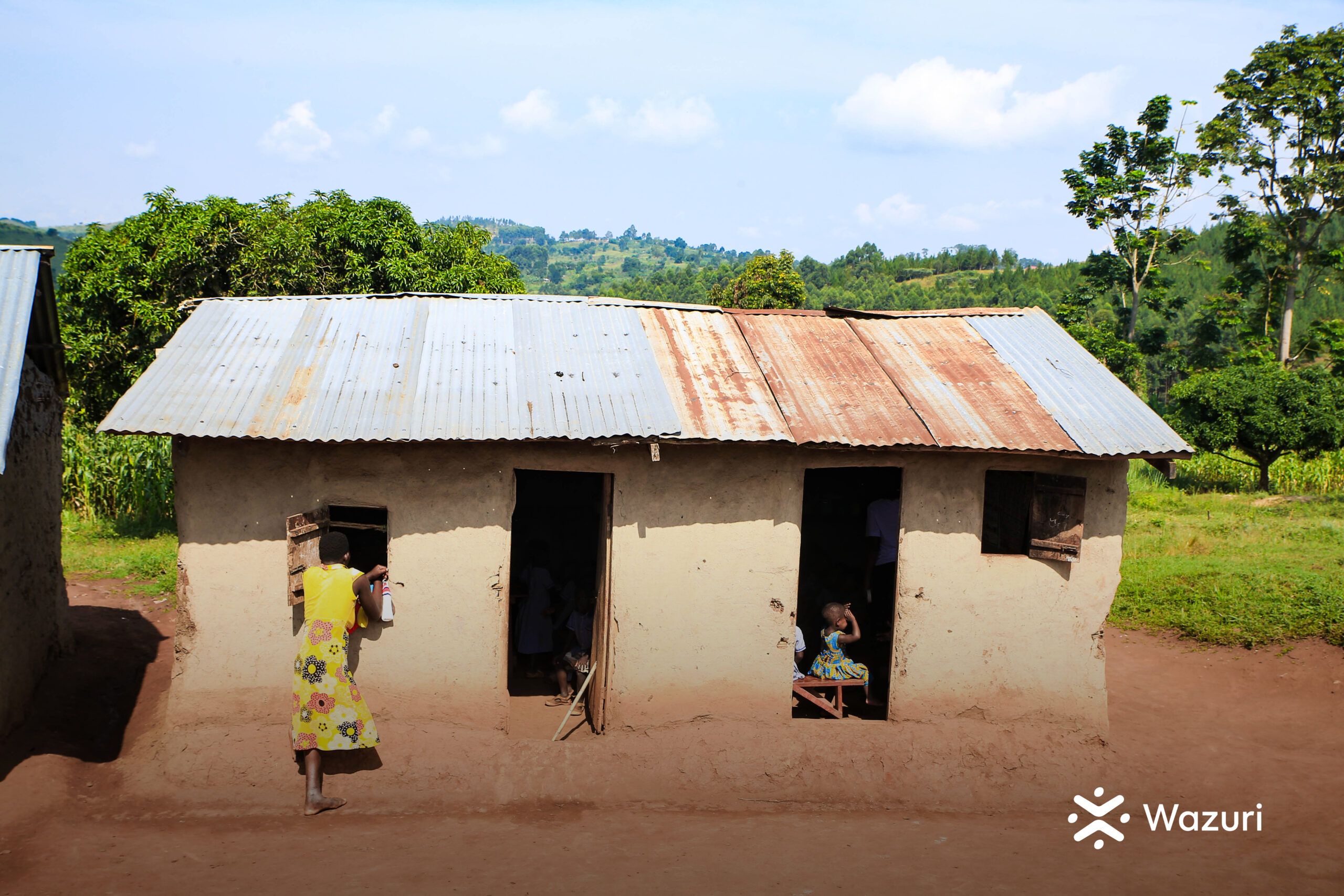
Wazuri aims to construct a kindergarten school in Rwabirungu community, providing a safe and nurturing environment for young children to learn, grow, and prepare for their educational journey. Recognizing the importance of early childhood education, this project seeks to bridge the gap in educational opportunities for children in underserved rural communities, ensuring they have access to quality early learning experiences that lay a strong foundation for their future success.
Project objectives:
1. Infrastructure Development:
- Construct a purpose-built kindergarten school with classrooms, play areas, sanitation facilities, and other necessary infrastructure to create a conducive learning environment for young children.
- Ensure the design adheres to child-friendly and environmentally sustainable principles, promoting safety, comfort, and learning engagement.
2. Quality Education:
- Develop a curriculum that aligns with national early childhood education standards, emphasizing play-based learning, social-emotional development, literacy, numeracy, and creative expression.
- Recruit qualified teachers who are passionate about early childhood education and provide them with continuous professional development opportunities to enhance their teaching skills.
3. Safe and Stimulating Learning Environment:
- Create colorful, engaging, and age-appropriate learning spaces within the school, including classrooms, library corners, art areas, and outdoor play spaces.
- Provide learning materials, educational toys, and resources that stimulate curiosity, imagination, and exploration, fostering a love for learning among the children.
4. Health and Nutrition:
- Integrate health and nutrition components into the kindergarten program, ensuring access to nutritious meals, promoting personal hygiene practices, and conducting health check-ups.
- Educate parents and caregivers on the importance of a balanced diet, hygiene routines, and preventive healthcare for their children’s well-being.
5. Parent and Community Engagement:
- Establish strong partnerships with parents, caregivers, and the local community to create a supportive and involved learning environment for the children.
- Conduct parent education programs, workshops, and regular communication channels to foster active participation and understanding of the kindergarten’s goals and curriculum.
6. Inclusive Education:
- Ensure the kindergarten school is accessible and inclusive for children with disabilities, providing necessary accommodations, specialized resources, and trained staff to support their unique needs.
- Promote a culture of acceptance, diversity, and respect among students, teachers, and the community.
7. Sustainable Operations:
- Develop a sustainable funding model for the kindergarten school through partnerships with government agencies, NGOs, corporate sponsors, and community contributions.
- Establish a school management committee comprising community members, parents, and education experts to oversee the operations, financial sustainability, and continuous improvement of the school.
8.Monitoring and Evaluation:
- Regularly assess the quality of education, child development outcomes, and the overall impact of the kindergarten school.
- Collect feedback from parents, teachers, and community members to identify areas for improvement and make data-driven decisions.
Donate to the Project
Make a donation in support of child early learning for children in rural areas. Your generous donation will make a significant impact to the lives and future of these children.

Wazuri is a nonprofit organization that advocates for and promotes equal access to quality
education for children, young girls, and women in rural areas.
Quick Contact.
- 108161Ntinda Kampala, Uganda
- info@wazuri.org
- +256 773747363
Quick Link.
- About Our Organization
- Organization Policies
- Become a Volunteer
- Volunteer Policies
- Case Studies
Copyright 2023 © Wazuri