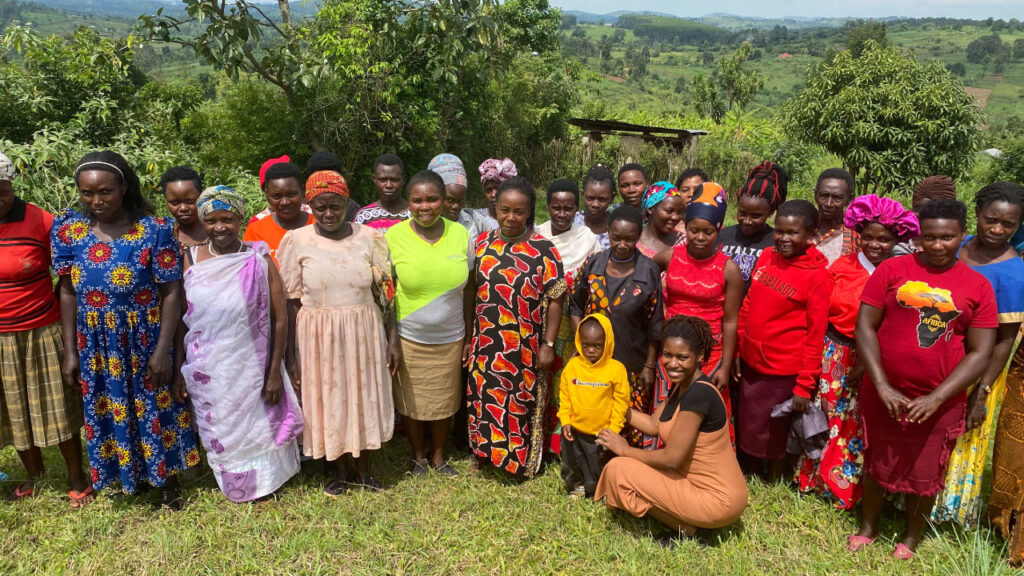
Wazuri serves three distinct groups: Wazuri Children, Wazuri Girls (Teenagers and Young Adults) and Wazuri Women. We started our interventions with the Rwenzori region, in the western part of Uganda which has a low literacy rate and was ranked third among the five identified hotspot regions for child marriage and teenage pregnancies as well as teenage motherhood. As our programs grow, we will extend our work to other rural areas in Uganda and Africa at large.
Wazuri CHILDREN
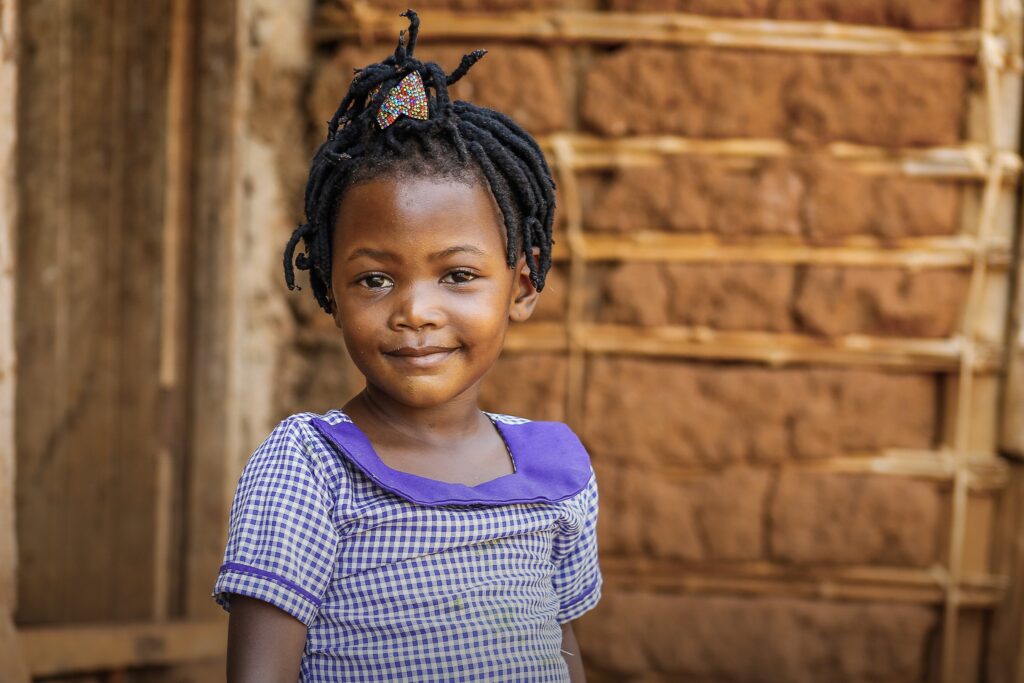
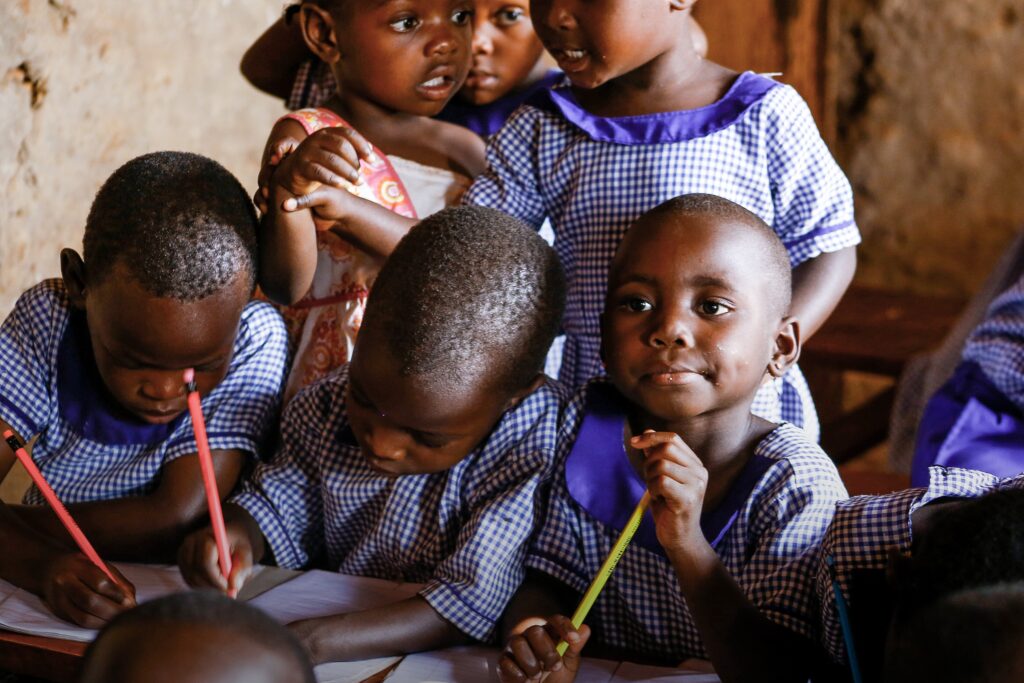
This program was established in 2021 with the objective of supporting children in rural areas to resume their education and gain easy access to education after COVID-19 lockdown. We started with 60 children aged between 3 and 12 years old.
During a nearly two-year period, primary and secondary schools in Uganda experienced the longest lockdown compared to schools in any other country. Consequently, Uganda witnessed an alarming surge in early child pregnancies and early child marriages within a remarkably short timeframe. More than 2,500 girls either became pregnant or were unable to return to school.
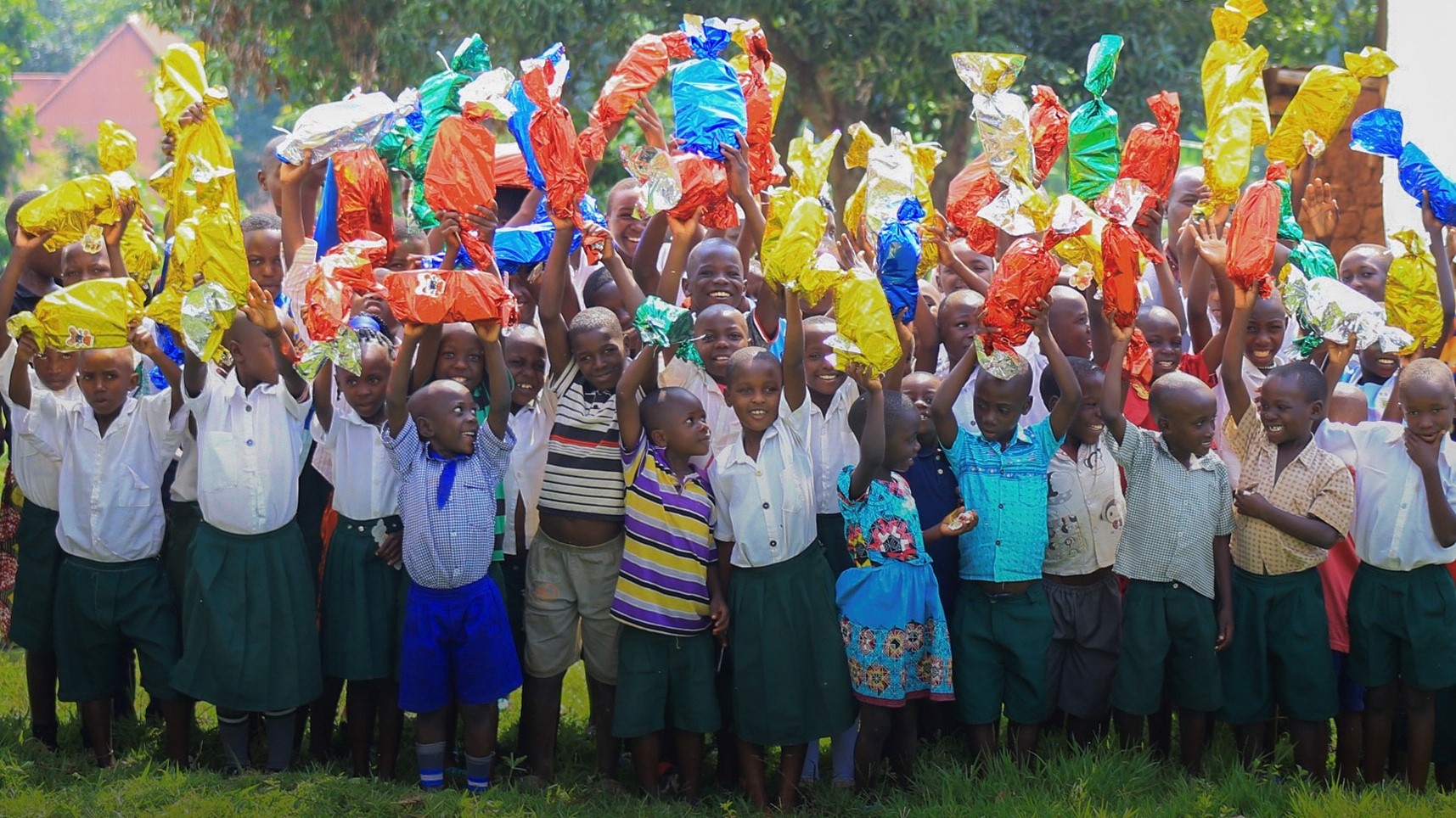
In response to this situation, Wazuri in collaboration with My Adoration Organization established a kindergarten school in Rwabirungu village, in Kyenjojo District. This kindergarten serves as a free learning space for 46 children below the age of 6. Additionally, 16 other children between the age of 7 and 12, attend a primary school where Wazuri takes care of all their fees and necessary school supplies.
Our goal is to support an additional 300 children by the end of 2023.
Wazuri Girls(TEENS AND YOUNG ADULTS)
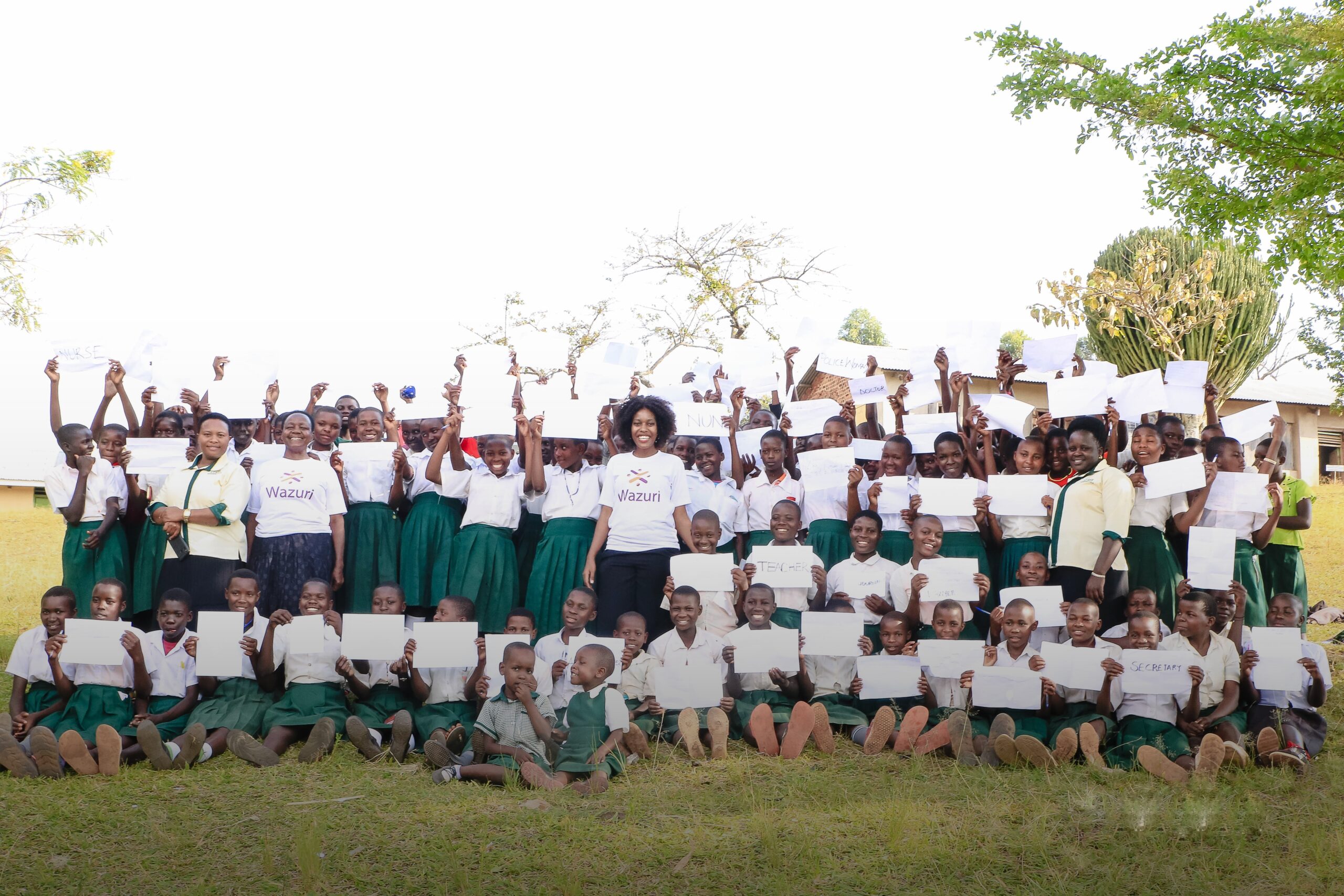
Wazuri Girls, the flagship program of the Wazuri Organization, has been in existence since 2018. Initially, its primary focus was on promoting and advocating for the provision of Menstrual Hygiene Management education to girls living in rural areas. However, the COVID-19 pandemic exacerbated the urgency for this kind of support. Throughout this period, teenage girls in Uganda faced a significantly heightened risk of unintended pregnancies, particularly in rural regions. In fact, there was a notable surge in early child pregnancies, with the highest number occurring during the lockdown period imposed due to COVID-19. This led to a big number of girls especially in rural areas dropping out of school.
To address these challenges, Wazuri Girls has adjusted its focus to ensure uninterrupted access to education for girls and also supporting them to safely stay in school. This has been achieved through menstrual hygiene management awareness and distribution of menstrual care kits.
Our goal is to reach 500 girls by the end of 2023 by offering scholarships, educational materials, and a comprehensive provision of menstrual care kits, thereby reducing the likelihood of school dropouts.
Wazuri Women
By offering free education to children in Kyenjojo, the initiative benefited the children and positively impacted the women responsible for their well-being, including mothers and caregivers. This led to the formation of Wazuri Women in 2022. Through the availability of free education for the children, these women were able to seize the chance to improve their economic prospects by establishing small-scale enterprises.
Currently, Wazuri Women is targeting to establish partnerships with other organizations that promote vocational skills training programs and adult education training in digital literacy, improved farming skills and financial literacy.
This collaborative effort will expand opportunities for women enrolled in our program, enabling them to build sustainable and resilient livelihoods that positively impact themselves, their families, and the communities.
Wazuri is a nonprofit organization that advocates for and promotes equal access to quality education for children, young girls, and women in rural areas.